
01
Chromosomal health
Genetic
integrity
Chromosomal abnormalities in the embryo are a common cause, often occurring before a person even knows they are pregnant.
Recurrent Pregnancy Loss · New Delhi
Behind most losses labelled “unexplained” is a reason that standard screening never checked for. We run a coordinated six-axis review, genetic, anatomical, endocrine, immune, clotting and lifestyle, to help find, and where possible treat, what has been missed.

Start here
Bring your history, reports and questions. We help you find the missing pieces.
40
years of experience treating recurrent pregnancy loss.
73%
diagnostic success rate in unexplained RPL cases.
6
areas investigated to understand recurrent pregnancy loss.
Why loss happens
Several biological factors need to fall into place for a pregnancy to continue. When one is disrupted, a loss can follow, and standard clinic protocols do not always screen for all of them.
01
Chromosomal health
Chromosomal abnormalities in the embryo are a common cause, often occurring before a person even knows they are pregnant.
02
Immunology
The immune system has to tolerate an embryo that is partly foreign. When that balance is off, a healthy pregnancy can be rejected.
03
Clotting disorders
Clotting tendencies can disrupt the supply of nutrients and oxygen to the placenta at a critical stage of development.
04
Hormonal balance
Thyroid disorders and low progesterone can undermine the early hormonal support a pregnancy needs to be sustained.
05
Uterine structure
Fibroids, polyps or a uterine septum can interfere with implantation and the space a pregnancy needs to grow.
06
Endometrial health
Even a healthy embryo can fail to implant if the lining is not receptive at the right moment in the cycle.
Any combination of these factors can play a role in pregnancy loss.
Many couples are told their losses are “unexplained”.
Standard clinic protocols do not always screen for all of these factors.
EPIA, India's first preventive reproductive health institute.
A structured review across genetics, immunology, clotting and the uterine environment helps us build your personalised picture.
The EPIA difference
We bring advanced diagnostics, reproductive immunology and treatment planning together, so the review reads as one connected picture rather than scattered results.

We look for the more complex reasons behind repeated loss, not only the obvious ones.

Decades of clinical depth across reproductive medicine.

An area many general clinics do not screen for in depth.

Fertility, genetics, immunology and endometrial science, coordinated together.

Your diagnosis drives your treatment, not the other way around.
Your RPL journey
Whether you are newly starting, partially diagnosed, or already hold a stack of reports, there is a clear next step from here.
Whether you are newly starting, partially diagnosed, or already have reports, EPIA helps you find clarity and the right next step.
Book a consultThe treatment pathway
Treatment follows the diagnosis, not the other way around. Where a cause is found, these are some of the protocols a personalised plan may draw on.

Immune regulation delivered by intravenous infusion.

Helps train maternal immune tolerance to the embryo.

Supports immune balance through a course of injections.

Used to reduce autoimmune and inflammatory interference.
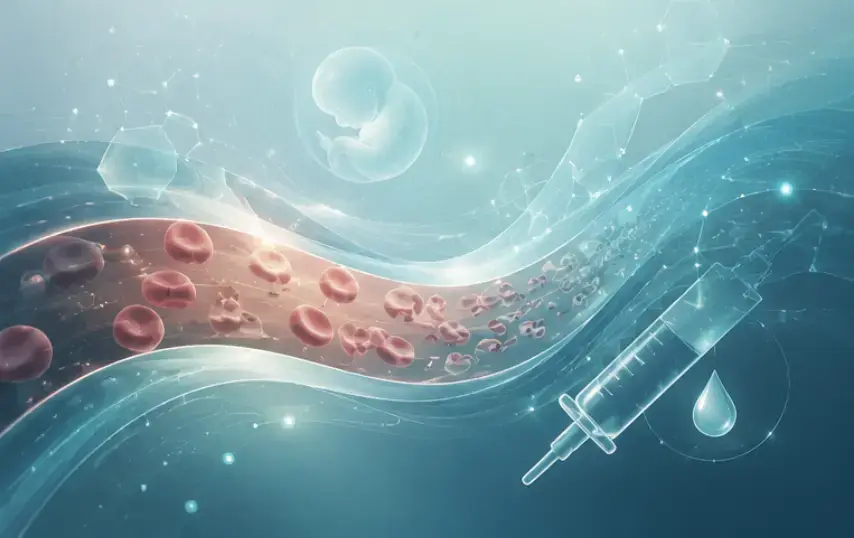
Supports healthy blood flow to the developing placenta.
The EPIA approach
We run more than 28 tests across five areas of investigation so we can understand why the losses are happening before deciding on any treatment. The order matters: we look first, then plan.
28+
diagnostic tests
5
investigation areas

Common questions
Short, honest answers to the questions we hear most about a recurrent pregnancy loss review.


A careful next step
Speak with a fertility coach about which reports to bring, which tests may be missing, and what a deeper evaluation looks like for you. Confidential, with a response within one working day.
