
Freezing Eggs: Meaning, Process and Egg Freezing Cost in India
Learn what egg freezing is, how the process works, who should consider it, and the egg freezing cost in India, along with FAQs answered by fertility experts.

How is Egg Freezing Done Process and Timeline
To answer the question, "What is the egg freezing process?" Here's a step-by-step breakdown.
The egg freezing process begins on Day 2 of your menstrual cycle. The first phase is called ovarian stimulation.
From Day 2 of your period, you'll take one hormone injection every day for the next 9 to 10 days. These are simple injections that you can take yourself at home, in your belly.
The injections help multiple eggs mature in your ovaries instead of the single egg your body would normally release each month.
This ensures more healthy eggs are ready for collection, improving the outcome of freezing your eggs.
Step 1: Stimulation: (Day 1 to Day 10)

The egg freezing process usually takes 12 to 14 days. But don't worry, you don't need to take two weeks off work for freezing your eggs. Most of the egg freezing process at EPIA can be managed alongside your daily routine, with just 3 to 4 clinic visits required.
Here's what the journey looks like, day by day.
Step 2: Trigger: (Day 11)
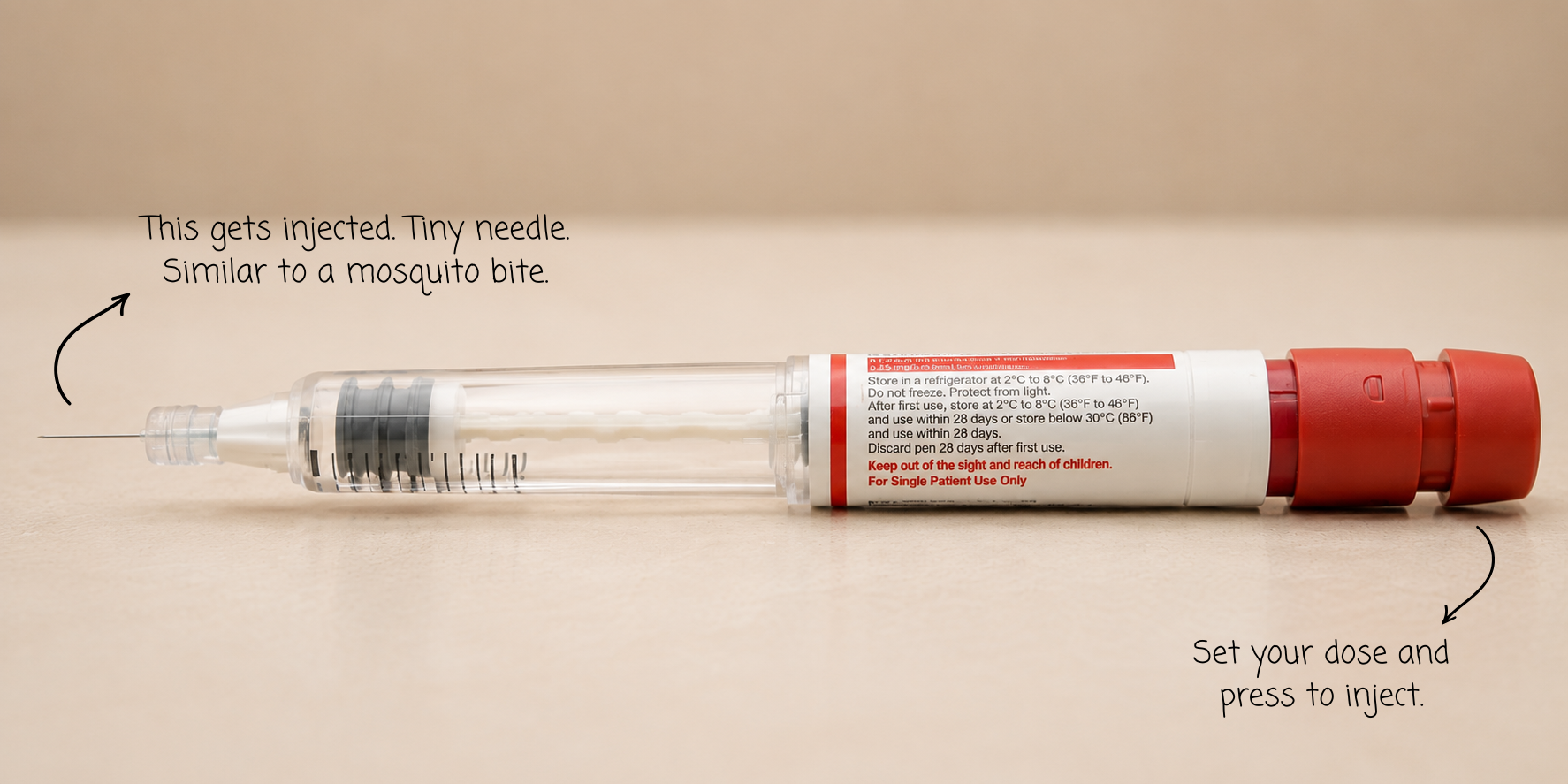
Once your monitoring scans show that your follicles have reached the right stage of development, it's time for the trigger shot.
This is a carefully timed injection that gives your eggs the final signal to mature before they're collected. Think of it as the last step that prepares your eggs for collection
Step 3: Egg Retrieval or Egg Collection (Day 13 or Day 14)
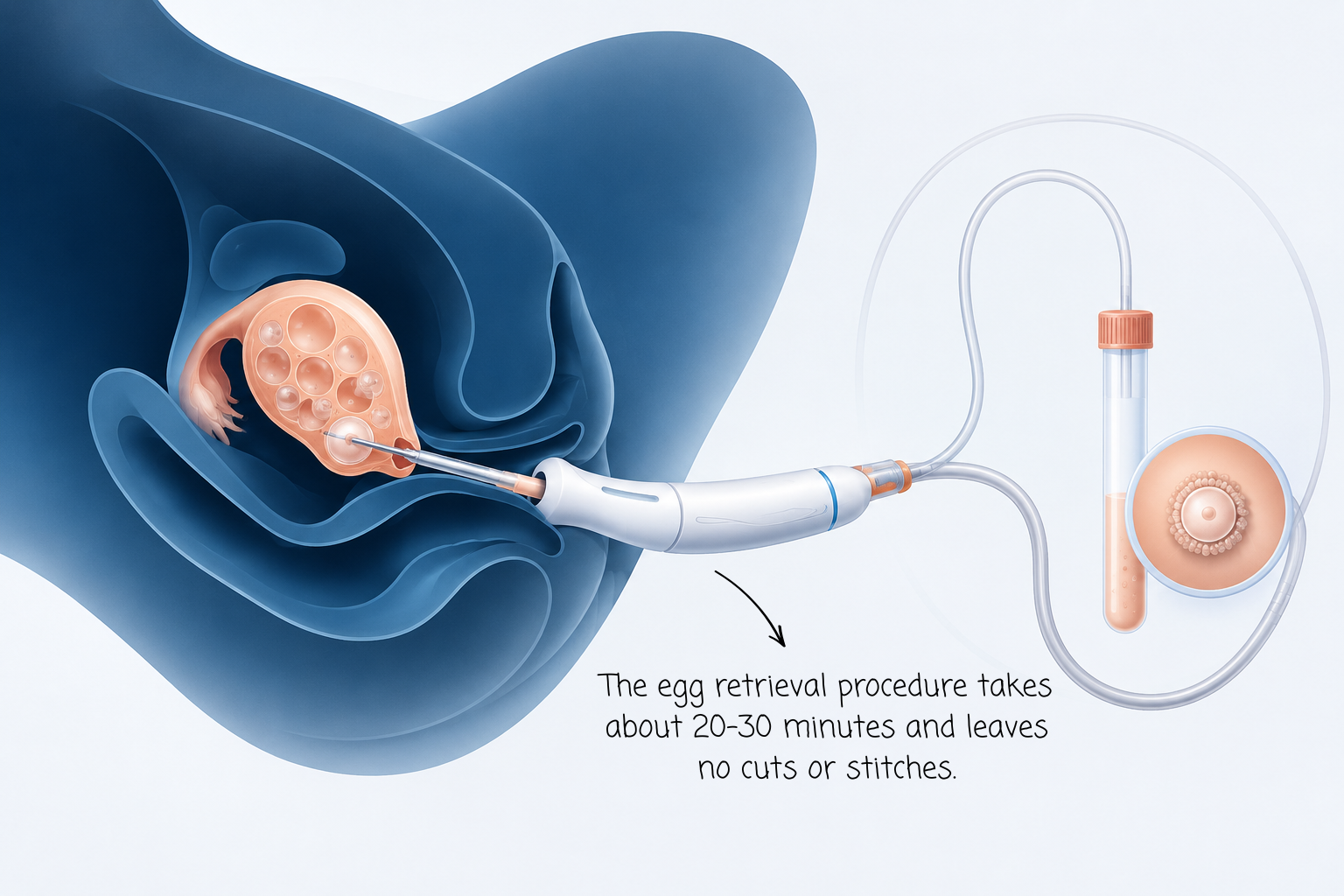
About 36 hours after the trigger shot, your egg retrieval (or egg pick-up) is scheduled.
When you arrive at EPIA, you'll complete a few pre-procedure formalities before being given mild anaesthesia, so you'll be comfortably asleep throughout the procedure.
The egg retrieval takes about 20 to 30 minutes. There are no cuts, no stitches, and no external scars.
Using ultrasound guidance, our doctors gently pass a thin tube through the vaginal route to collect the mature eggs from your ovaries.
It's a minimally invasive procedure, and you can go home a few hours later.
Step 4: Freezing Your Eggs (Same Day)
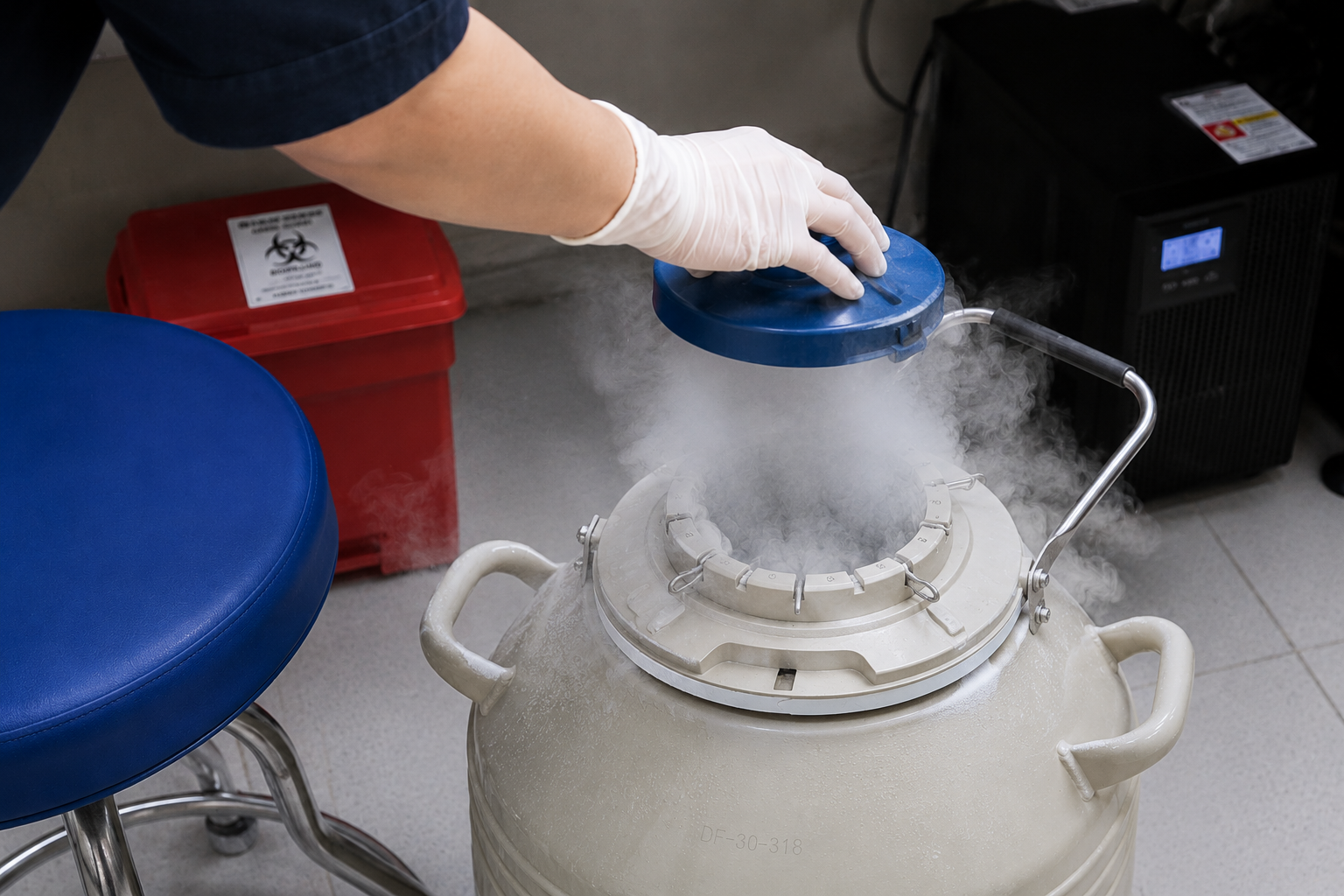
After the egg retrieval, the embryology team carefully examines the eggs collected and assesses their quality. The healthiest mature eggs are selected for freezing.
The eggs are then frozen using a technique called vitrification, an ultra-rapid freezing method that helps protect them from damage. They are safely stored until you're ready to use them in the future. At EPIA, we also tag your eggs with a unique RFID so theere is no possibility of mix up with someone else’s sample.
Cost of freezing eggs in India
Let's answer the question: "How much freezing eggs cost in India".
In India, the cost of egg freezing typically ranges from ₹1.5 lakh to ₹3.5 lakh, depending on the clinic, your treatment plan, and the hormone medication required.
In addition, there is an annual egg storage fee, which usually ranges from ₹15,000 to ₹50,000 per year.
The exact cost depends on your body, the hormone dosage you require, the preparation needed before the procedure, and the clinic you opt for.
EPIA will give you a transparent number during the first consultation.
To make paying for treatment easier, EPIA also offers EMI options, starting from just ₹5,000 per month (after the initial down payment), so you can spread the freezing eggs cost over time instead of paying it all upfront.

Should I freeze my eggs?
We've put together a simple checklist to help you decide you should freeze your eggs.
- I haven't found the right partner yet.
- I've been diagnosed with low fertility.
- I have endometriosis.
- I'm not ready to have children right now, but I'd like to keep the option open.
- I'm about to undergo chemotherapy, radiotherapy, or ovarian surgery.
- I have personal or career goals I want to achieve before becoming a mother.
If you checked even one of these, it's worth exploring egg freezing. Book a free call with one of our fertility coaches to see if egg freezing is right for you.
References
- 1.Practice Committee of the American Society for Reproductive Medicine, ASRM
- 2.Human Fertilisation and Embryology Authority - Egg Freezing, HFEA
- 3.ESHRE Guideline on Female Fertility Preservation, European Society of Human Reproduction and Embryology
- 4.ACOG Committee Opinion on Fertility Preservation, American College of Obstetricians and Gynecologists
Frequently asked questions
How much does it cost to freeze your eggs?
In India, freezing your eggs typically costs between ₹1.5 lakh and ₹2.5 lakh per cycle, depending on the clinic, medication, and your treatment plan. You'll also pay an annual storage fee, usually between ₹15,000 and ₹30,000. At EPIA, the average cost is ₹1.7 lakh to ₹1.9 lakh, with EMI options available.
Does freezing eggs stop periods?
No. Freezing eggs does not stop your periods or cause menopause. Your ovaries continue to function normally after the procedure, and your menstrual cycle usually returns to its regular pattern within a few weeks.
If you freeze your eggs, can you still get pregnant?
Yes. Freezing your eggs does not affect your ability to conceive naturally in the future. If you become pregnant naturally, your frozen eggs can simply remain in storage until you decide whether you want to use them.
Egg freezing age limit
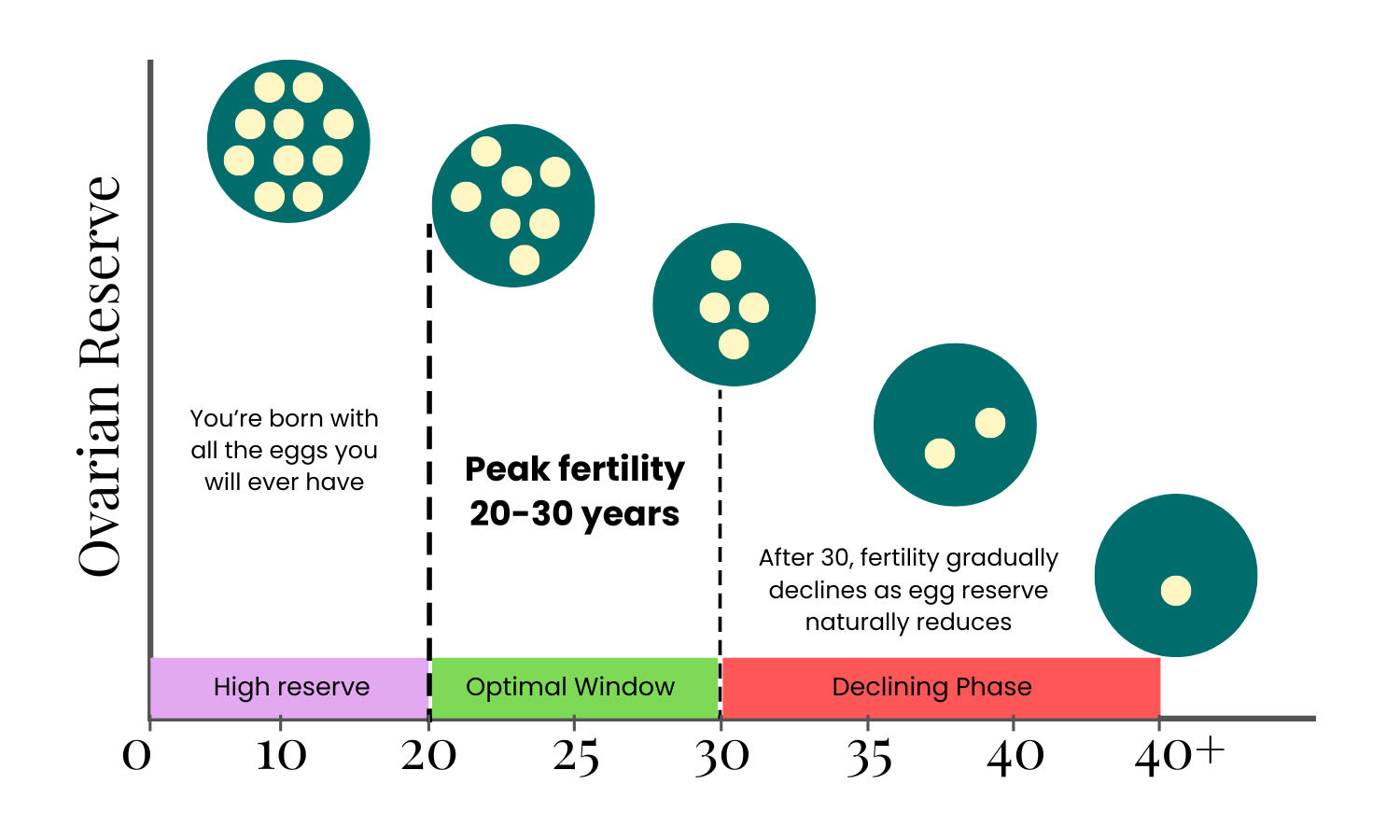
There is no strict age limit for egg freezing, but it is generally recommended between the ages of 25 and 35, when egg quality is highest. Women above 35 can still freeze their eggs, although the number and quality of eggs usually decline with age. Your fertility specialist will advise whether egg freezing is suitable based on your ovarian reserve rather than age alone.
Side effects of freezing eggs
Most women experience only mild, temporary side effects during the egg freezing process. These may include bloating, mild pelvic discomfort, temporary mood changes, breast tenderness, or soreness at the injection site. Serious complications are uncommon, and your fertility team will monitor you closely throughout the process.
The information on this page is educational and does not replace individual clinical advice. Outcomes vary between patients; nothing here guarantees pregnancy, egg quality, or treatment success.