Fertility treatment includes medical and supportive options to help individuals and couples conceive. From medication to IVF and beyond, explore what fertility treatment involves, who it’s for, and how to choose the right path.

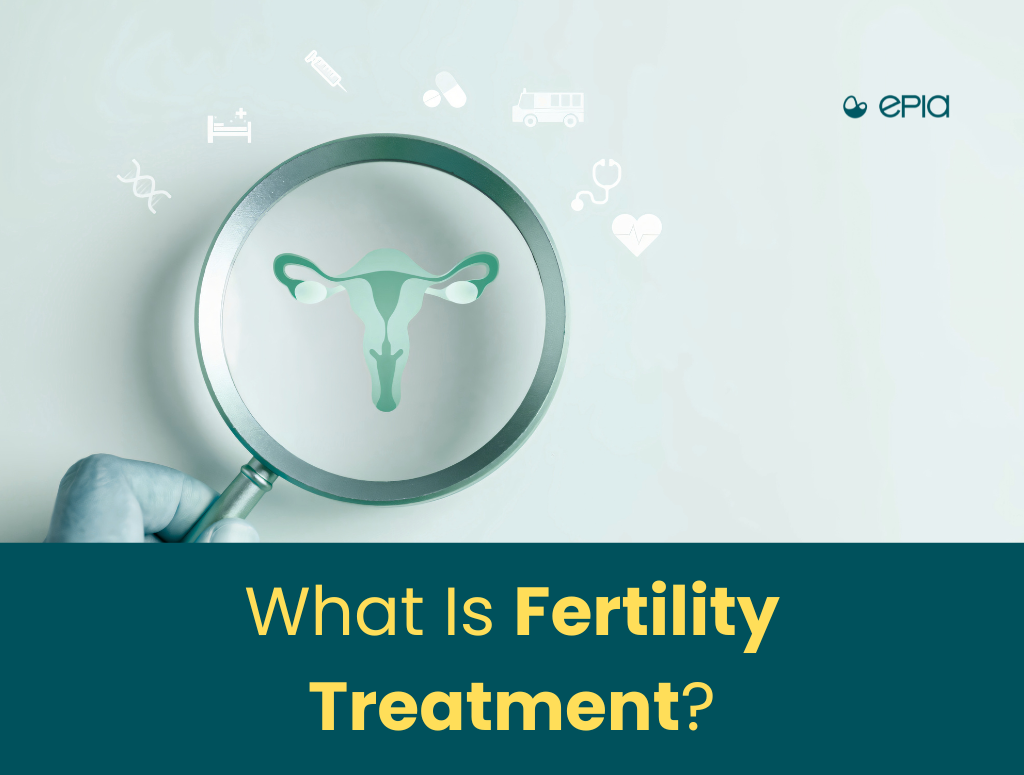
Fertility treatment refers to medical and technological interventions aimed at helping individuals or couples conceive a child when natural conception is not occurring due to infertility or reproductive challenges. These treatments can range from basic therapies such as lifestyle changes and medication, to advanced procedures like in vitro fertilization (IVF) and intracytoplasmic sperm injection (ICSI) (Wikipedia).
Infertility is commonly defined as the inability to conceive after 12 months of regular, unprotected intercourse. It affects an estimated 1 in 6 couples worldwide, and both male and female factors may contribute (WHO).
Types of Fertility Treatments
1. Ovulation Induction
This involves medications like clomiphene citrate or letrozole to stimulate the ovaries to release eggs. It is often used in cases of anovulation or irregular cycles (Mayo Clinic).
2. Intrauterine Insemination (IUI)
IUI involves placing processed sperm directly into the uterus around the time of ovulation. It is commonly used in cases of mild male infertility, cervical factor infertility, or unexplained infertility (NHS).
3. In Vitro Fertilization (IVF)
IVF is one of the most widely known fertility treatments. It involves retrieving eggs and fertilizing them with sperm in a laboratory, then transferring the resulting embryo into the uterus. IVF may also include ICSI for sperm-related issues (NICHD).
4. Fertility Preservation
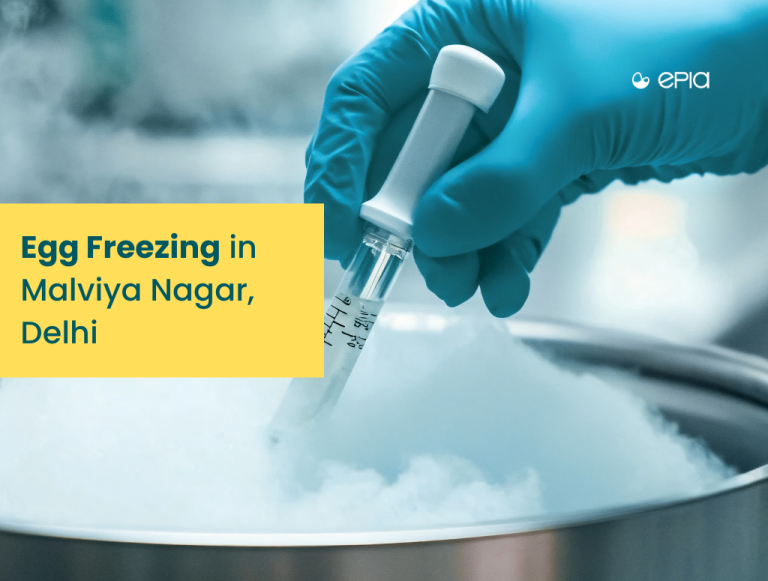
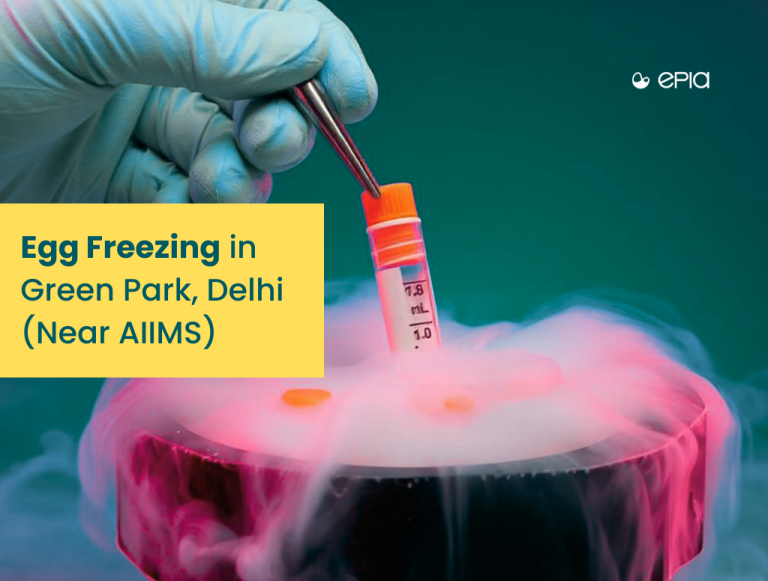
Egg freezing, sperm, or embryo freezing is an option for individuals who want to delay parenthood or are undergoing medical treatments that may affect fertility, such as chemotherapy (National Cancer Institute).
5. Surgical Interventions
Conditions such as endometriosis, fibroids, or blocked fallopian tubes may require surgery to improve the chances of conception (ACOG).
6. Third-Party Reproduction
Donor sperm, donor eggs, and gestational surrogacy are also considered part of fertility treatment when one or both partners are unable to contribute gametes or carry a pregnancy (American Society for Reproductive Medicine).
When to Seek Fertility Treatment
Medical experts generally recommend consulting a fertility specialist if:
You’ve been trying to conceive for over 12 months (or 6 months if you’re over 35)
You have known reproductive health issues (e.g., PCOS, endometriosis, low sperm count)
You have experienced multiple miscarriages or failed attempts at conception
Success Rates and Considerations
Fertility treatment outcomes vary based on age, health, underlying diagnosis, and type of treatment used. For example, IVF success rates decline significantly after age 35 due to reduced egg quality (CDC).
Treatment may also be accompanied by emotional, physical, and financial stress. It’s important to receive individualized care, ongoing counselling, and have access to transparent medical advice when making fertility decisions.
Sign up for free Session!
It’s easy and free!