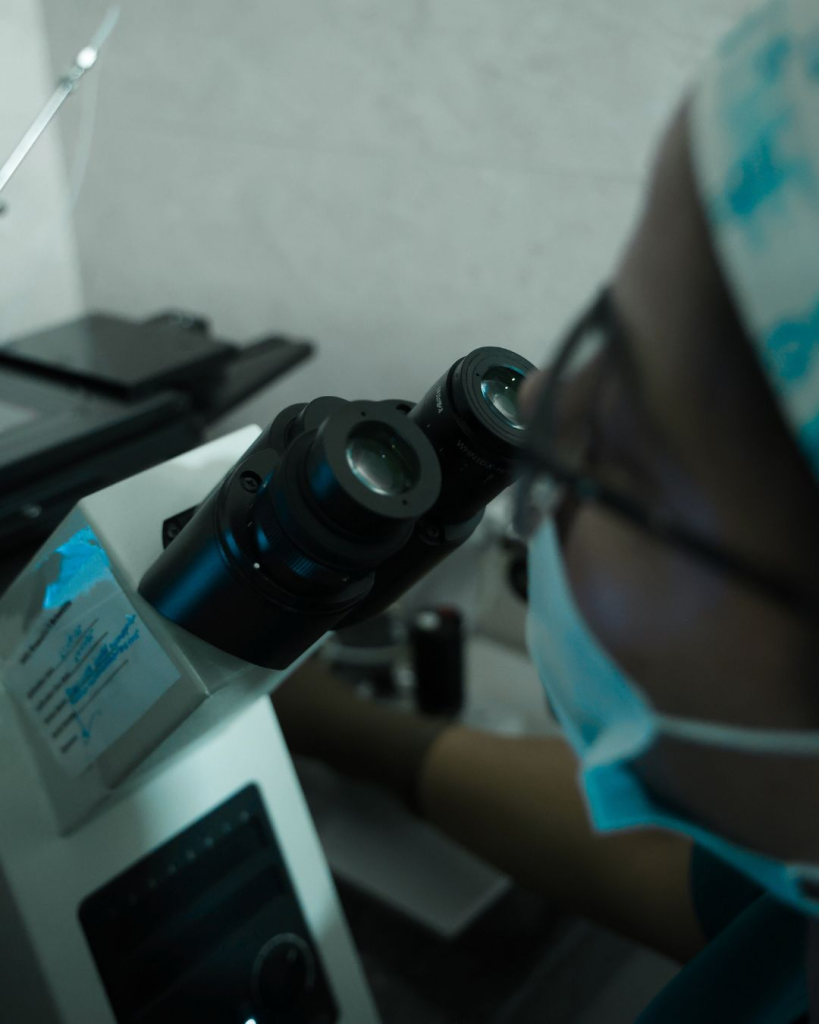
What is Hysteroscopy?
Hysteroscopy is a minimally invasive diagnostic procedure used to examine the inside of the uterus. A thin, lighted instrument called a hysteroscope is inserted through the cervix, allowing the doctor to view the uterine cavity and identify any abnormalities that may affect fertility or menstrual health.
At EPIA, hysteroscopy is recommended for individuals with abnormal uterine bleeding, repeated IVF failures, recurrent miscarriages, or suspected structural issues such as fibroids, adhesions, or polyps. It allows for both diagnosis and, in many cases, immediate treatment—making it a powerful tool in fertility care.
Who is Hysteroscopy For?
- Women with irregular or heavy menstrual bleeding
- Individuals with unexplained IVF failures or implantation issues
- Patients with suspected fibroids, polyps, or uterine septum
- Those with recurrent miscarriage or suspected uterine scarring
- Anyone needing a thorough evaluation of uterine health before fertility treatment

The EPIA Difference
Why Choose EPIA for Hysteroscopy?
- Performed by fertility-focused surgeons with precision and care
- Diagnostic and operative hysteroscopy available based on clinical need
- Conducted in safe, sterilised environments with advanced equipment
- Often scheduled with your cycle to maximise visibility and accuracy
- Full pre- and post-procedure guidance to support your recovery and next steps
Transformation
What is the Hysteroscopy Process?
- Step 1: Consultation and Cycle Planning - Your doctor will review your medical history and symptoms and help you schedule the hysteroscopy at the optimal time in your menstrual cycle—typically after your period ends but before ovulation.
- Step 2: Procedure (Diagnostic or Operative) - A slender hysteroscope is gently inserted through the cervix into the uterus. The doctor inspects the cavity for abnormalities such as polyps, fibroids, or adhesions. If needed, minor surgical instruments may be used to treat issues during the same procedure.
- Step 3: Recovery and Results - You can usually return home the same day. Mild cramping or spotting may occur. A follow-up consultation is arranged to discuss findings and next steps, especially if hysteroscopy was part of your IVF or fertility planning.
Hysteroscopy
FAQs
Can't find what you're looking for?
What is the purpose of a hysteroscopy?
It helps diagnose and often treat intrauterine conditions like fibroids, adhesions, and polyps that may affect fertility, periods, or pregnancy outcomes.
Is it painful?
Diagnostic hysteroscopy is usually well tolerated and may be done under local anaesthesia or mild sedation. Operative hysteroscopy might require general anaesthesia depending on the complexity.
How long does the procedure take?
Diagnostic procedures take 10 to 20 minutes. Operative sessions may last longer, depending on the treatment involved.
When is it performed in the cycle?
It is usually scheduled in the follicular phase—after your period ends and before ovulation—when the uterine lining is thin and visibility is best.
Is it done in a hospital or clinic?
Diagnostic hysteroscopy is often done in a clinic or outpatient setting. Operative procedures requiring anaesthesia may be scheduled in a hospital-based day-care unit.
How soon can I return to normal activities?
Most patients resume regular activities within a day. Some light cramping or spotting is common for a short time after the procedure.
Can this improve IVF outcomes?
Yes. Hysteroscopy can detect and correct uterine abnormalities that might interfere with embryo implantation or lead to miscarriage, thus improving your chances with IVF.