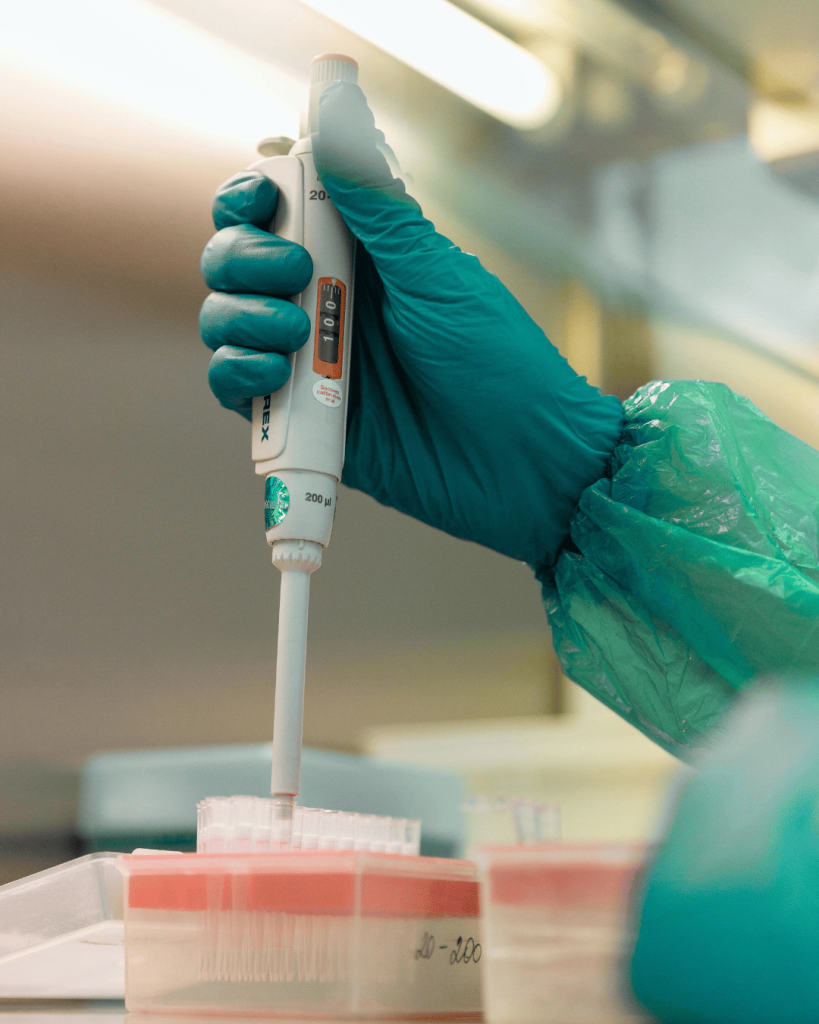
What is the Genetic Compatibility Test?
The Genetic Compatibility Test is a pre-conception screening offered to couples to check if both partners carry mutations in the same gene. If they do, it may increase the chance of passing on certain inherited genetic disorders to their child. Many of these conditions are recessive, meaning they may not appear in family history but still pose a risk.
At EPIA, this test is recommended for couples planning to conceive naturally or through IVF—especially in cases of unknown family background, consanguinity, or recurrent miscarriage. It involves analysing blood or saliva samples from both partners, screening for hundreds of inherited conditions like thalassemia, spinal muscular atrophy, and cystic fibrosis. If a match is detected, we offer genetic counselling and personalised fertility planning.
Who is the Genetic Compatibility Test For?
- Couples planning pregnancy, especially in the absence of known family medical history
- Partners in a consanguineous relationship (e.g. relatives by blood)
- Couples with a history of miscarriage or children affected by inherited disorders
- Individuals undergoing IVF or considering donor eggs/sperm
- Anyone who wants to reduce inherited risk in family planning

The EPIA Difference
Why Choose EPIA for the Genetic Compatibility Test?
- Wide-panel screening for hundreds of recessive genetic conditions
- Detailed reports reviewed by experienced fertility doctors and genetic counsellors
- Results interpreted with respect to your fertility goals and treatment preferences
- Seamless integration with IVF, PGT-M, or donor planning if required
- Compassionate, evidence-based counselling before and after results
Transformation
What is the Genetic Compatibility Testing Process?
- Step 1: Couple Screening Consultation - You and your partner will meet with a fertility doctor or counsellor who will explain the test, process, and how results can guide decision-making.
- Step 2: Sample Collection - Both partners provide a simple blood or saliva sample. No fasting or special preparation is required.
- Step 3: Laboratory Genetic Analysis - Samples are sent to a certified lab where they are screened for carrier status of hundreds of autosomal recessive disorders.
- Step 4: Results Review and Counselling - If both partners carry a mutation in the same gene, you’ll receive guidance on options such as PGT-M, IVF with donor gametes, or alternative planning strategies. Results are typically ready in 2–3 weeks.
Genetic Compatibility Test
FAQs
Can't find what you're looking for?
What is a Genetic Compatibility Test?
It’s a screening test that checks whether both partners carry mutations in the same gene that could be passed to their children. It helps assess the risk of inherited disorders.
Who should consider it?
All couples planning to conceive—especially those with limited family history, consanguinity, or a background of genetic illness—can benefit from this test.
How is the test done?
Each partner provides a blood or saliva sample. These are sent to a genetic lab for screening against a broad panel of inherited conditions.
What happens if both partners are carriers?
You’ll receive genetic counselling and options such as IVF with PGT-M or the use of donor sperm/eggs will be discussed. The decision is yours.
Is this test only for IVF patients?
No. It is useful for any couple planning a pregnancy, whether natural or assisted.
If I’m a carrier, does that mean my child will inherit a condition?
Not necessarily. Carriers usually don’t show symptoms. Risk only arises if both partners carry a mutation in the same gene. This test identifies that match.
How long do results take?
Results are typically ready in 2 to 3 weeks. Your doctor will review the findings and guide you through your options.