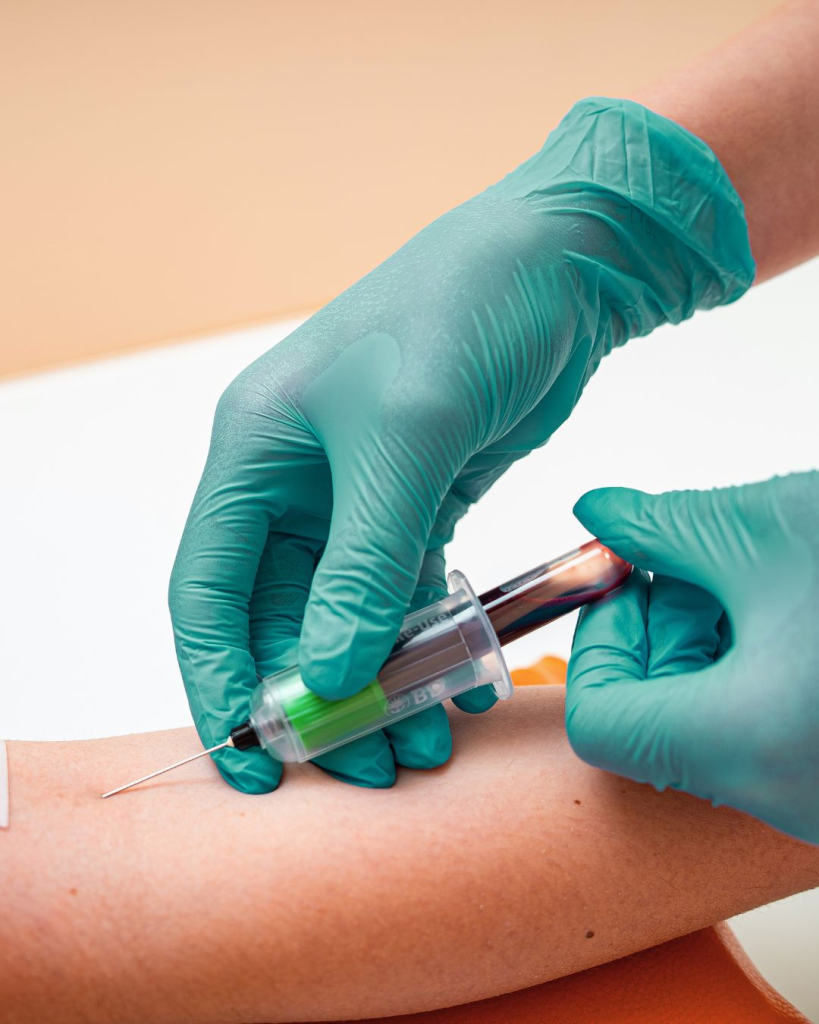
What is the AMH / Egg Count Test?
The AMH (Anti-Müllerian Hormone) test is a simple blood test that estimates your ovarian reserve—the number of eggs remaining in your ovaries. Unlike other hormone tests, AMH can be done on any day of your menstrual cycle and provides a steady, reliable snapshot of your fertility potential.
At EPIA, we use the AMH test to support women considering pregnancy later in life, exploring egg freezing, or planning assisted treatments like IVF. When paired with an Antral Follicle Count (AFC) scan, it forms the foundation of a personalised fertility assessment and helps in making timely decisions.
Who is the AMH Test For?
- Women planning to delay pregnancy or preserve fertility
- Individuals considering egg freezing, IVF, or IUI
- Those with irregular cycles, PCOS, or suspected low ovarian reserve
- Anyone who wants to understand their current fertility status
- Patients preparing for fertility treatment protocols

The EPIA Difference
Why Choose EPIA for the AMH Test?
- AMH testing available every day—no need to wait for a specific cycle date
- Blood draw and reporting done in-house for quicker turnaround
- Interpreted by fertility specialists in combination with ultrasound findings
- Supports early planning, egg preservation, or treatment protocol selection
- Clear, actionable explanations with every test result
Transformation
What is the AMH Testing Process?
- Step 1: Appointment and Consultation - You’ll meet with a fertility doctor or care team member to understand the purpose of the test and how it fits into your reproductive goals.
- Step 2: Blood Sample Collection - A small blood sample is collected. No fasting or specific timing is required—the test can be done on any day of your menstrual cycle.
- Step 3: Report and Interpretation - Results are typically ready within 24 to 48 hours. Your AMH value will be explained in the context of your age, fertility history, and next steps.
- Step 4: Optional Add-Ons - You may also choose to combine this with an ultrasound-based Antral Follicle Count (AFC) or additional hormone tests for a more complete fertility picture.
AMH / Egg Count Test
FAQs
Can't find what you're looking for?
What does the AMH test measure?
It measures the level of Anti-Müllerian Hormone in your blood, which indicates the number of egg-containing follicles in your ovaries.
Who should consider taking this test?
Anyone planning to delay pregnancy, freeze eggs, begin IVF, or simply understand their reproductive health.
How is the test done?
A small blood sample is drawn. The test does not require fasting and can be done any day of the month.
What is a normal AMH level?
Normal values vary by age. Your doctor will interpret the result in the context of your reproductive history and goals.
Does a low AMH mean I can’t get pregnant?
Not at all. Many women with low AMH conceive naturally or with timely medical support. It’s a signal to plan early—not a limitation.
Can AMH levels be improved?
Egg count cannot be increased, but early awareness helps in taking the right steps. Certain therapies may support ovarian function, but they don’t raise AMH directly.
Is this test used alone to assess fertility?
No. It’s best used along with AFC and other hormone panels for a complete understanding of your fertility profile.