Pregnancy testing is the most reliable way to confirm whether or not you are pregnant, and it works by detecting a hormone in your body. This article explains what pregnancy testing is, the different types available, how accurate they are, and when to take a test for the most reliable results. Whether you're testing at …

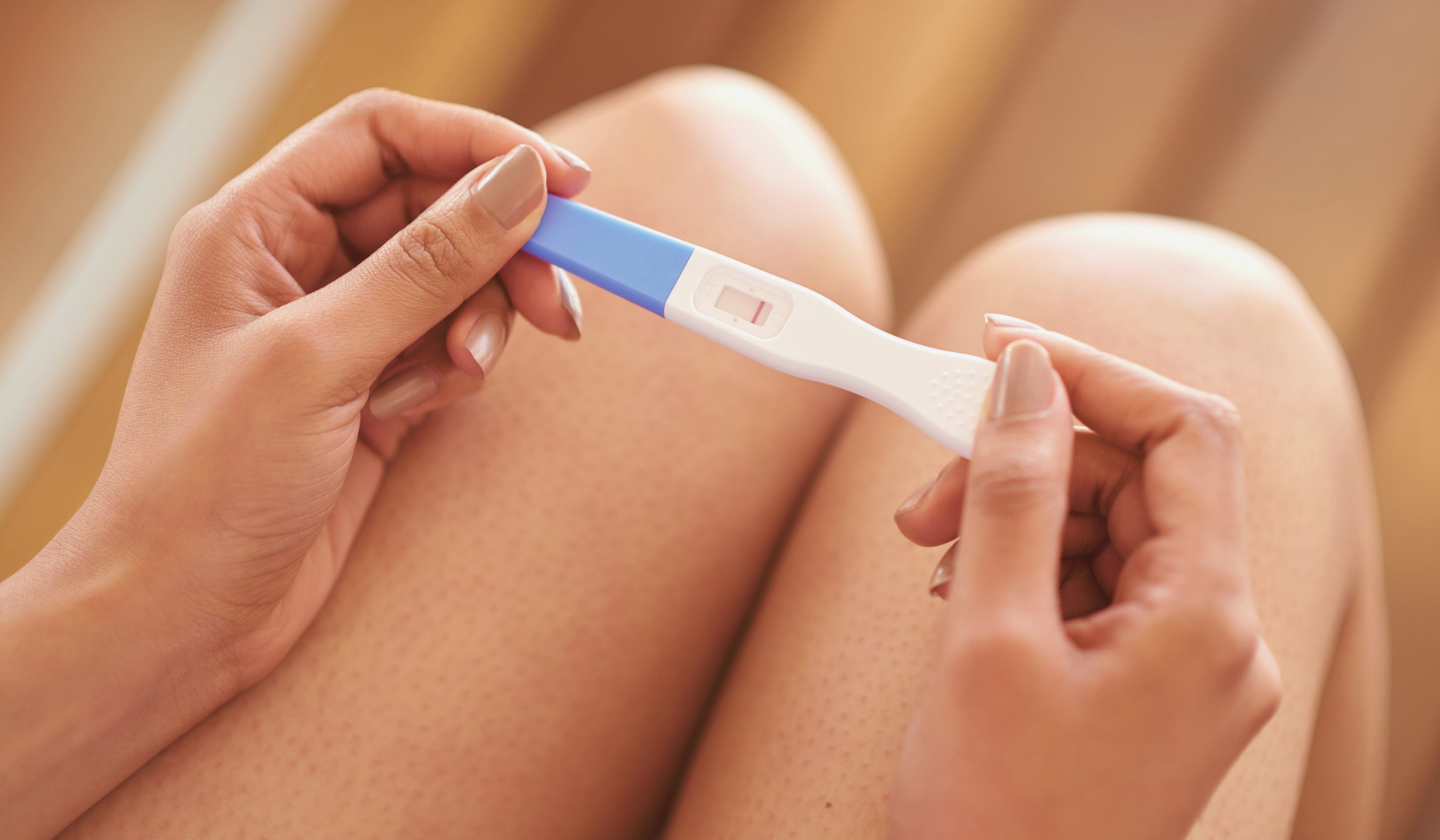
Pregnancy testing is the most reliable way to confirm whether or not you are pregnant, and it works by detecting a hormone in your body. This article explains what pregnancy testing is, the different types available, how accurate they are, and when to take a test for the most reliable results. Whether you’re testing at home, visiting a clinic, or going through fertility treatment, understanding how pregnancy tests work can help you make informed decisions at every step.
What Is Pregnancy Testing and How Does It Work?
Pregnancy testing is a method used to determine if a person is pregnant by detecting the hormone human chorionic gonadotropin (hCG) in their urine or blood. This hormone is produced shortly after a fertilized egg implants in the uterus, typically about 6 to 12 days after ovulation.
Once implantation occurs, hCG levels begin to rise rapidly, doubling every 48 to 72 hours in early pregnancy. Because of this predictable increase, testing for hCG has become the most reliable way to confirm pregnancy in its earliest stages.
There are two main types of pregnancy tests:
- Urine-based tests, which are widely available over the counter and can be used at home or in a clinical setting.
- Blood tests, which are performed in medical laboratories and can detect lower levels of hCG earlier than urine tests.
Urine tests usually provide results within a few minutes, while blood tests not only confirm pregnancy but also measure the exact hCG level in the body. This is especially helpful in fertility treatments or when tracking early pregnancy progression.
In most cases, pregnancy testing is recommended around the time of a missed period. Testing too early may lead to inaccurate results because hCG levels may not yet be detectable. Knowing which test to use—and when—is key to getting results you can trust.
Types of Pregnancy Tests
There are two main types of pregnancy tests: urine tests and blood tests. Both detect the presence of the hormone hCG, which your body starts producing after implantation occurs. The key difference lies in how the hormone is measured and how early pregnancy can be detected.
Urine Pregnancy Tests
Urine-based tests are the most commonly used and are available both as home pregnancy tests (HPTs) and in clinical settings.
Home Pregnancy Tests (HPTs):
These are over-the-counter kits designed for personal use. Most can detect hCG in urine around the time of a missed period, and some highly sensitive versions may detect it a few days earlier. Home tests are available in different formats, including:
- Test strips (dip-in-cup)
- Midstream tests (held in urine stream)
- Digital tests (display “pregnant” or “not pregnant”)
Home pregnancy tests are simple to use and deliver results within 3 to 5 minutes. For best accuracy, they should be taken using first morning urine, which contains the highest concentration of hCG.
Urine Tests in Clinics:
Clinics may also conduct urine-based tests, using similar methods but in a more controlled setting. These are often used as a quick verification before moving to blood tests or scans.
Blood Pregnancy Tests
Blood tests are more sensitive than urine tests and can detect lower levels of hCG earlier in the pregnancy.
There are two types of blood tests:
- Qualitative hCG Test: Confirms the presence of hCG (yes/no result).
- Quantitative hCG Test (beta hCG): Measures the exact amount of hCG in the blood, which helps track the progression of early pregnancy or detect problems such as ectopic pregnancy or miscarriage.
Blood tests are commonly used in fertility clinics, during IVF treatment, or in cases where symptoms are present but urine tests are inconclusive. They are also preferred when early or high-accuracy testing is required.
Choosing the right type of pregnancy test depends on your situation—whether you’re testing at home, undergoing treatment, or confirming early pregnancy symptoms with a doctor.
How Pregnancy Tests Work
Pregnancy tests work by detecting the hormone human chorionic gonadotropin (hCG), which is only produced after a fertilized egg successfully implants in the uterus. This hormone is released into the bloodstream first and then appears in urine, making it a reliable marker for early pregnancy.
After ovulation and fertilization, the embryo begins traveling toward the uterus. Implantation usually occurs about 6 to 12 days after ovulation. Once implantation happens, the developing placenta starts producing hCG, which builds up quickly in the body.
Here’s how the process works:
- In blood tests, hCG can be detected as early as 6 to 8 days after ovulation because it enters the bloodstream directly.
- In urine tests, hCG typically becomes detectable a few days later—usually around the time of a missed period.
Pregnancy test kits contain antibodies that react with hCG if it’s present. In urine tests, this reaction is shown as a visible line or digital message like “pregnant.” In blood tests, the hCG level is measured in a lab and reported in mIU/mL.
The sensitivity of the test—meaning how little hCG it can detect—determines how early it can give an accurate result. Most home pregnancy tests detect hCG at 20–25 mIU/mL, while blood tests can detect levels as low as 5 mIU/mL.
Because of how hCG rises in early pregnancy—typically doubling every 48 to 72 hours—timing is critical. Testing too early may give a false negative simply because the hormone hasn’t built up enough yet.
Understanding this hormonal process helps explain why some people get different results when testing a day or two apart, and why blood tests are often preferred for early or high-risk pregnancies.
When Should You Take a Pregnancy Test?
The best time to take a pregnancy test is after you’ve missed your period, when the hormone hCG is more likely to be detectable. Testing too early—before implantation has occurred or hCG levels have risen enough—can result in a false negative.
For most people with regular cycles, this means testing around 14 days after ovulation or on the first day of a missed period. However, the ideal timing depends on your cycle length, whether you’re tracking ovulation, and if you’ve undergone fertility treatment.
Early Testing Before a Missed Period
Some home pregnancy tests are marketed as “early detection” and claim to detect pregnancy up to 5–6 days before your expected period. While these may work for some people, accuracy increases significantly after the missed period, as hCG levels may still be too low for detection earlier.
If you choose to test early:
- Use a highly sensitive test (10–15 mIU/mL)
- Test with first morning urine for best concentration
- Be prepared to retest in a few days if the result is negative
After IVF or Fertility Treatment
If you’ve undergone embryo transfer as part of IVF or IUI, the timing is more specific. Most clinics recommend taking a beta hCG blood test 10 to 14 days after transfer, depending on the stage of embryo transferred (Day 3 or Day 5). Testing too early can result in misleading results, especially if hCG trigger shots were used.
If You Have Irregular Cycles
For people with unpredictable periods, it’s harder to know when to test. You may consider testing:
- At least 21 days after unprotected sex
- After two weeks of consistent pregnancy symptoms
- With guidance from a healthcare provider or using ovulation tracking apps
Signs That Might Prompt Testing
Even before a missed period, some early symptoms may suggest it’s time to take a test. These include:
- Light spotting (implantation bleeding)
- Breast tenderness or swelling
- Fatigue
- Nausea
- Mild cramping
- Increased urination
- Mood swings
Keep in mind, these symptoms may overlap with PMS, so testing remains the most reliable way to confirm pregnancy.
In short, the right time to take a pregnancy test depends on your cycle, symptoms, and context—but waiting until at least the day of your expected period will give you the most accurate result.
Pregnancy Test Accuracy and Reliability
Home pregnancy tests are highly accurate when used correctly, with most brands claiming over 99% accuracy from the day of a missed period. However, accuracy depends on several factors—including when you test, how the test is used, and the sensitivity of the test.
What Affects Pregnancy Test Accuracy?
Timing:
Testing too early is the most common reason for false negatives. Even sensitive tests may not pick up low levels of hCG in the first few days after implantation.
Test Sensitivity:
Not all pregnancy tests are equally sensitive. Some detect hCG levels as low as 10–15 mIU/mL, while others require 25 mIU/mL or more to show a positive result.
Urine Concentration:
Testing with diluted urine, especially later in the day, can lower accuracy. First morning urine is generally best because it contains the highest concentration of hCG.
Usage Errors:
Incorrect test handling—such as not following timing instructions or misreading the result window—can lead to false readings.
Test Expiry or Damage:
Expired or improperly stored tests may not work as expected. Always check the date and follow storage guidelines.
False Positives and False Negatives
False Negative:
A negative result despite being pregnant. Causes may include:
- Testing too early
- Low hCG levels
- Diluted urine
- Faulty test or incorrect usage
False Positive:
A positive result without an ongoing pregnancy. Possible reasons:
- Recent use of hCG-containing fertility medications
- Chemical pregnancy (early loss shortly after implantation)
- Certain medical conditions (rare, like ovarian tumors)
- Evaporation lines misread as positive
How Accurate Are Blood Tests?
Blood pregnancy tests are more sensitive than urine tests and can detect hCG levels as low as 5 mIU/mL. They’re nearly 100% accurate when done by a lab and are often used to confirm early pregnancy, track hCG levels, or investigate concerns like ectopic pregnancy or miscarriage risk.
If you get unexpected results—such as a negative test but continued pregnancy symptoms—it’s best to retest after 48–72 hours or consult a healthcare provider for a blood test.
Blood Test vs Urine Test — Which Is Better?
Both urine and blood pregnancy tests detect the hormone hCG, but they differ in sensitivity, timing, and clinical use. The better option depends on how early you need results, your medical history, and whether you’re undergoing fertility treatment.
Urine Pregnancy Test
Overview:
- Most common and accessible
- Used at home or in a clinic
- Typically detects hCG at levels of 20–25 mIU/mL
- Best used from the first day of a missed period
Pros:
- Affordable and private
- Easy to use with rapid results (within minutes)
- No blood draw required
Cons:
- Less sensitive in early pregnancy
- False negatives more likely if testing too soon
- Results can be affected by diluted urine
Blood Pregnancy Test
Overview:
- Done in a lab or clinic via a blood sample
- Can detect hCG as low as 5–10 mIU/mL
- Used to detect pregnancy earlier and monitor progress
Types:
- Qualitative hCG test: Confirms if hCG is present (yes/no result)
- Quantitative beta hCG test: Measures the exact hCG level in the blood
Pros:
- More sensitive and accurate
- Detects pregnancy earlier than urine tests
- Tracks changes in hCG over time (e.g., doubling in early pregnancy)
- Used in IVF, high-risk pregnancies, or suspected complications
Cons:
- Requires a blood draw and lab processing
- Results may take a few hours to a day
- More expensive than urine tests
When Is a Blood Test Recommended?
- After a positive or unclear urine test for confirmation
- When symptoms suggest pregnancy but urine tests are negative
- During fertility treatment or embryo transfer cycles
- To track early pregnancy viability
- To investigate suspected ectopic pregnancy or miscarriage
In summary, urine tests are ideal for quick, at-home results, especially when taken at the right time. Blood tests offer more precise and earlier detection and are best suited for clinical monitoring and fertility-related care.
Symptoms That May Prompt Pregnancy Testing
Many people take a pregnancy test after noticing early signs that could indicate conception. While these symptoms are not a guarantee of pregnancy, they can be strong signals—especially when they appear together or persist beyond your usual cycle patterns.
Here are some of the most common early pregnancy symptoms:
Missed Period
A missed menstrual cycle is one of the most obvious signs of pregnancy, particularly if your periods are usually regular. If your period is late by more than a few days, it’s a good time to take a test.
Breast Tenderness or Swelling
Hormonal changes after conception can cause your breasts to feel fuller, sore, or sensitive to touch. The area around your nipples may also darken.
Fatigue
Unusual tiredness or low energy can begin early in pregnancy due to rising progesterone levels and changes in metabolism.
Nausea or Food Aversion
Often referred to as “morning sickness,” nausea can start within two weeks of conception and may occur at any time of day. You might also notice a sudden dislike for certain foods or smells.
Implantation Bleeding
Some people notice light spotting around 6–12 days after ovulation, when the embryo attaches to the uterine lining. This is usually lighter and shorter than a period.
Mild Cramps or Lower Abdominal Discomfort
Cramping can occur as the uterus begins to change. These cramps are often milder than menstrual cramps and may feel different than your usual cycle.
Frequent Urination
Increased blood flow to the kidneys and early pregnancy hormone changes can make you feel the need to urinate more often.
Mood Swings or Headaches
Hormonal shifts can lead to emotional sensitivity or headaches—symptoms that can also mimic PMS.
Elevated Basal Body Temperature
If you’re tracking your cycle with a thermometer, a sustained rise in basal body temperature beyond the expected timeframe may suggest early pregnancy.
While these symptoms can be early signs, they are not proof of pregnancy on their own. They may also result from stress, hormonal imbalance, or other health conditions. A pregnancy test is the only reliable way to confirm.
What to Do After a Positive Pregnancy Test
If you’ve taken a pregnancy test and received a positive result, the next step is to confirm the pregnancy with a healthcare provider and begin early prenatal care. Whether you tested at home or in a clinic, it’s important to follow up to ensure everything is progressing normally.
Confirm with a Medical Test
Even if your home pregnancy test was clear and positive, your doctor will likely recommend a blood test to measure your beta hCG level. This confirms the pregnancy and helps establish how far along you may be.
If you’re undergoing fertility treatment, your clinic may already have a schedule for blood tests and ultrasounds to track your progress.
Schedule Your First Prenatal Appointment
In most cases, an early pregnancy scan is done around 6 to 8 weeks after your last period to confirm the location and viability of the pregnancy. This is when the fetal heartbeat can typically be detected.
During your first prenatal appointment, your doctor may:
- Review your medical and menstrual history
- Conduct a physical examination
- Recommend blood tests and early screenings
- Prescribe prenatal vitamins (if not already taking them)
Start Prenatal Care
Early care is key to a healthy pregnancy. Some of the steps you can take immediately include:
- Start or continue folic acid supplements (usually 400–600 mcg daily)
- Avoid alcohol, tobacco, and harmful medications
- Eat a balanced diet and stay hydrated
- Get plenty of rest and manage stress levels
- Ask your doctor before continuing any exercise or medications
Prepare for What’s Next
Early pregnancy often brings physical and emotional changes. Educating yourself about what to expect—such as common symptoms, milestone tests, and lifestyle adjustments—can help you feel more prepared.
If you have any history of miscarriage, high-risk pregnancy, or medical conditions like diabetes or thyroid issues, your doctor may recommend closer monitoring from the start.
A positive pregnancy test is the beginning of a new phase. With timely medical care and proper support, you can move forward with confidence and peace of mind.
What If the Pregnancy Test Is Negative?
A negative pregnancy test means that hCG was not detected at the time of testing, but that doesn’t always mean you aren’t pregnant. Timing, hormone levels, and test sensitivity all play a role in the result.
Could It Be Too Early to Test?
The most common reason for a false negative is testing too early—before your body has produced enough hCG for the test to detect. If you took the test a few days before your expected period or shortly after ovulation, the hormone may still be building.
In this case, it’s best to:
- Wait 2 to 3 days and test again
- Use first morning urine for better accuracy
- Choose a high-sensitivity test (detecting 10–15 mIU/mL of hCG)
Still No Period After a Negative Test?
If your period hasn’t started and you continue to get negative test results, it could be due to:
- Stress or lifestyle changes
- Hormonal imbalances (e.g., PCOS, thyroid issues)
- Changes in weight, travel, or medication
- A delayed ovulation cycle
In these cases, a visit to your healthcare provider can help determine the cause. Blood tests, cycle tracking, or an ultrasound may be recommended.
Negative Test During Fertility Treatment
If you’re undergoing IVF or IUI, testing before your clinic’s scheduled beta hCG test can give misleading results. Early testing may show a false negative or pick up residual hCG from trigger shots. Always follow your doctor’s guidance on when to test.
When to Seek Medical Advice
You should speak to a doctor if:
- You’ve missed more than one period
- Your cycle is consistently irregular
- You experience symptoms of pregnancy but keep getting negative tests
- You’re trying to conceive and haven’t had success after 6–12 months
A negative test result is not the end of the story—it’s a signal to look closer, test again later, or explore other health factors that may be affecting your cycle.
Pregnancy Testing During Fertility Treatment or IVF
If you’re undergoing fertility treatment, especially IVF or IUI, pregnancy testing follows a specific timeline and is typically done through a blood test called beta hCG. Testing too early at home can lead to confusion, especially if medications or trigger shots have been used.
Timing Is Critical After Embryo Transfer
After an embryo transfer during IVF, most clinics recommend a beta hCG blood test 10 to 14 days later. The exact timing depends on whether a Day 3 or Day 5 embryo was transferred.
- Day 3 embryo: Blood test is usually done 12–14 days post-transfer
- Day 5 embryo (blastocyst): Testing is typically done around 9–11 days post-transfer
This window allows enough time for implantation to occur and for hCG to reach detectable levels.
Why Home Tests Are Discouraged in IVF
Many fertility specialists advise against home pregnancy tests after embryo transfer, especially:
- If you’ve received a hCG trigger injection (e.g., Ovitrelle or Pregnyl), residual hormones may give a false positive
- Testing too early can result in a false negative, which may cause unnecessary distress
- Urine tests don’t provide hCG levels, which are crucial for tracking progress in early IVF pregnancies
Understanding Beta hCG Levels
A quantitative beta hCG test not only confirms pregnancy but also provides a numeric value that helps assess how the pregnancy is progressing.
- A healthy early pregnancy typically shows doubling hCG levels every 48–72 hours
- Low or slowly rising levels may suggest a biochemical pregnancy, ectopic pregnancy, or risk of miscarriage
- Your doctor may order multiple beta hCG tests 2–3 days apart to monitor these changes
When to Expect Your First Scan
If beta hCG levels rise appropriately, the first ultrasound is usually scheduled at 6–7 weeks to check for a gestational sac, yolk sac, and fetal heartbeat.
Pregnancy testing after fertility treatment is more structured and closely monitored than standard testing. It’s important to follow your clinic’s guidance on testing days, medication use, and follow-up steps—especially because emotions and expectations can be high during this period.
FAQs About Pregnancy Testing
Here are answers to some of the most frequently asked questions about pregnancy testing.
How soon can I take a pregnancy test after unprotected sex?
You should wait at least 14 days after unprotected sex to take a pregnancy test, or until your period is due. Testing too early may not give accurate results, even with sensitive tests.
Can I take a pregnancy test before my missed period?
Yes, some early detection tests can be used 5–6 days before your missed period. However, accuracy improves significantly if you wait until the day of or after your expected period.
What does a faint line on a pregnancy test mean?
A faint line usually means you’re pregnant, but hCG levels may still be low. Repeat the test in 48–72 hours to see if the line gets darker or follow up with a blood test for confirmation.
Can I get a false positive result?
Yes, though it’s rare. False positives can occur if you’ve recently had a hCG trigger injection, a very early miscarriage (chemical pregnancy), or certain medical conditions.
Can I get a false negative result?
Yes—especially if you test too early, use diluted urine, or the test isn’t sensitive enough. If your period doesn’t arrive, retest in a few days or consult a doctor.
Does the time of day matter when I take a pregnancy test?
Yes. First morning urine contains the highest concentration of hCG, making it the best time to test—especially in early pregnancy.
Can medications affect my pregnancy test result?
Most medications do not interfere with pregnancy tests, except for fertility drugs that contain hCG. Always read the test instructions or ask your doctor if unsure.
Can stress or illness affect my result?
No, stress doesn’t affect hCG levels or the result of a pregnancy test. However, stress can delay ovulation or your period, which may change when a test becomes accurate.
Can I take a pregnancy test during my period?
If you’re truly having a period, you are unlikely to be pregnant. However, light bleeding or spotting can be mistaken for a period—so if you’re unsure, a test can still help clarify.
Are digital pregnancy tests more accurate than regular ones?
Digital tests are equally accurate but often easier to read. They reduce interpretation errors like misreading faint lines.
How do I know if I need a blood test?
You may need a blood test if your urine test is unclear, if you’re undergoing fertility treatment, or if your doctor wants to track your hCG levels for pregnancy progression.
When should I go for my first pregnancy scan?
Most doctors recommend an early ultrasound at 6–8 weeks to confirm the pregnancy, check fetal heartbeat, and rule out ectopic pregnancy.
Is It Time to Take a Pregnancy Test?
Pregnancy testing is one of the most accessible and reliable tools for early confirmation. Whether you’re trying to conceive, unsure about symptoms, or managing your fertility treatment timeline, knowing when and how to test can help you take the next step with clarity.
If your period is late, you’re noticing changes in your body, or you’ve recently had unprotected sex, it might be time to test. From quick home kits to clinical blood tests, options are available depending on your needs and where you are in your journey.
And if you’ve already tested—positive or negative—and still feel unsure, you don’t have to wait in confusion. Clinical support, expert interpretation, and next steps are always within reach.
Sign up for free Session!
It’s easy and free!