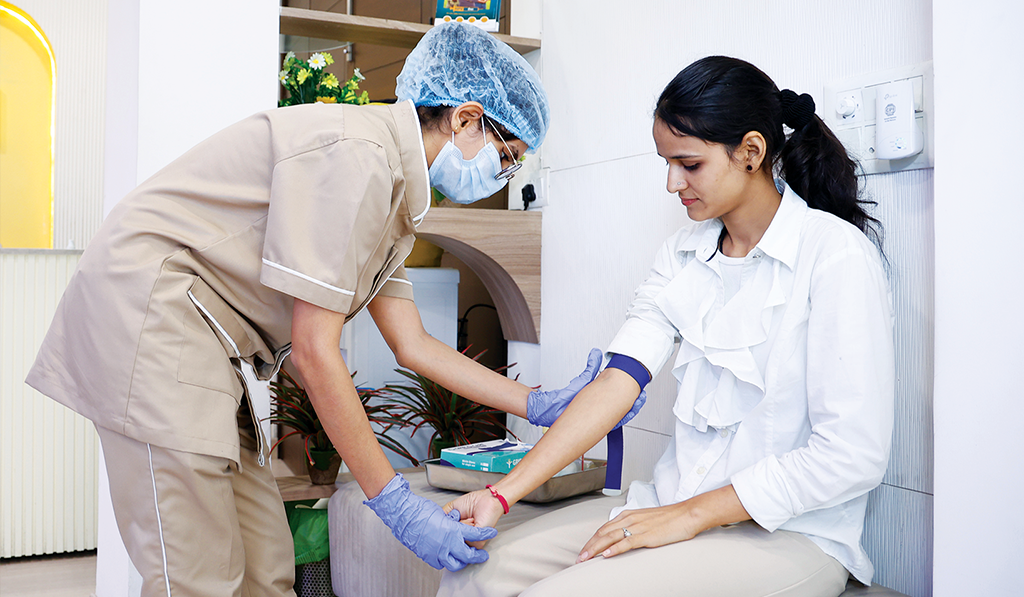
What Is an Annual Gynaecological Check-Up?
An annual gynaecological check-up is a preventive health visit focused on assessing reproductive and hormonal well-being. It includes a review of your menstrual cycle, pelvic health, cervical screening, breast exam, and general health markers that impact fertility and gynaecological wellness. These visits are crucial for early detection of potential issues and for maintaining long-term reproductive health.
At EPIA, we approach annual check-ups as an opportunity to not only screen for concerns but also to build a long-term understanding of your unique reproductive needs.
Why Annual Gynaecological Check-Ups Matter
Regular gynaecological visits are essential even if you’re not experiencing symptoms. They help with:
- Detecting infections, cysts, or fibroids before they become symptomatic
- Screening for cervical abnormalities via Pap smear and HPV testing
- Discussing menstrual irregularities, PCOS, or hormonal changes
- Evaluating breast health and discussing contraceptive options
- Addressing fertility planning, perimenopause, or sexual health concerns
Many gynaecological conditions develop silently, and early detection often leads to easier, more effective management.
What’s Included in the EPIA Annual Gynaecological Check-Up?
Our comprehensive gynaecological exam may include:
- Medical and menstrual history review
- Pelvic and abdominal examination
- Breast examination and self-exam education
- Pap smear and HPV screening (if due)
- Urine test or vaginal swab (if symptoms or risk factors are present)
- Optional ultrasound if irregularities are noted
- Fertility counselling if you’re planning or postponing pregnancy
The visit also offers a safe space to talk about concerns related to pain, discharge, periods, or birth control—no question is too small.
Who Should Book an Annual Gynaecological Check-Up?
- Women over 21 (or younger if sexually active)
- Anyone due for a routine Pap smear or HPV screening
- Individuals with family history of gynaecological conditions
- Those managing chronic conditions like PCOS, fibroids, or endometriosis
- Women approaching menopause or seeking hormonal review
We also recommend a check-up before planning pregnancy or making major contraceptive changes.
Annual Gynaecological Check-Up FAQs
Is a Pap smear done at every visit?
Not necessarily. Pap smears are typically done every 3 years (or every 5 years if combined with HPV testing), unless you have specific risk factors.
What if I have my period on the day of my check-up?
It’s best to reschedule routine screenings like Pap smears, but you can still discuss other concerns or get blood tests if needed.
Will it be uncomfortable?
The exam may involve brief pressure or mild discomfort, but it’s typically quick and not painful. Our team prioritises your comfort and dignity.
Can I ask about fertility or birth control during the check-up?
Absolutely. Your annual exam is a great time to discuss fertility planning, contraception, sexual health, or hormone-related concerns.
How long does the appointment take?
Most check-ups take 30 to 45 minutes, depending on what’s being discussed or screened.