What is Non-Invasive Prenatal Testing?
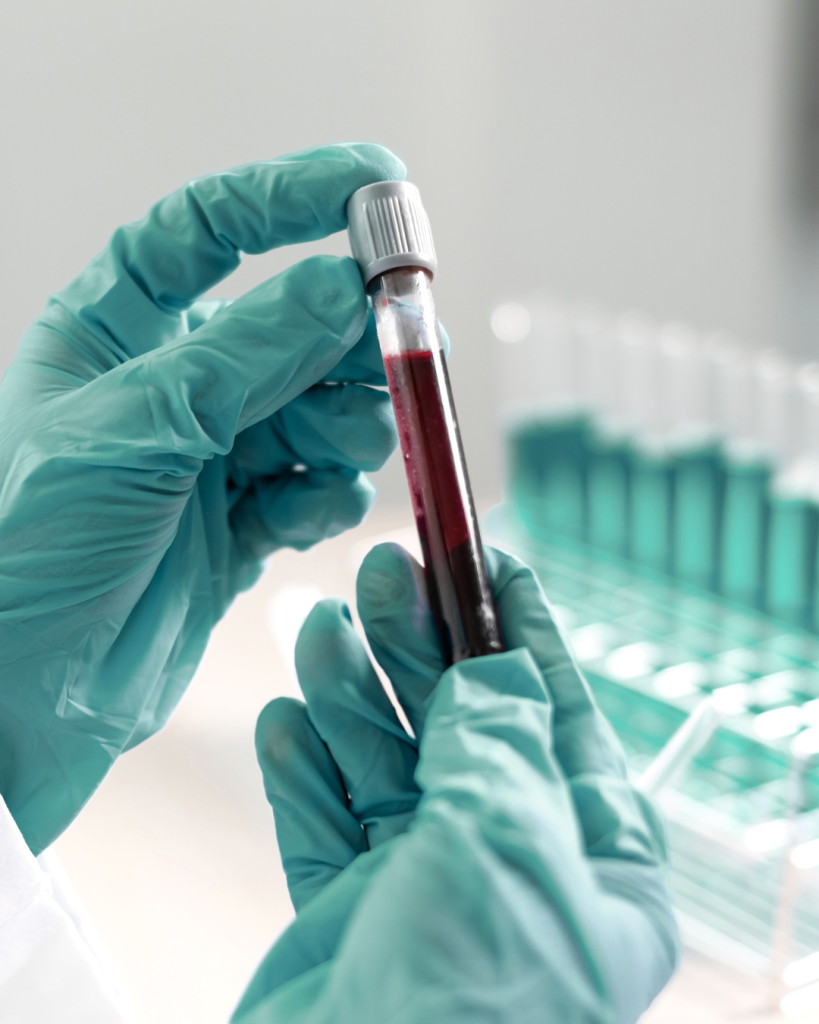
Non-Invasive Prenatal Testing (NIPT) is a safe, highly accurate blood test that screens for common chromosomal conditions in a developing baby. Performed as early as the 10th week of pregnancy, it analyses small fragments of the baby’s DNA circulating in the mother’s blood to assess the risk of genetic conditions—without any risk to the baby.
At EPIA, NIPT is offered to all expecting individuals who want early clarity about chromosomal abnormalities such as Down syndrome, Edwards syndrome, and Patau syndrome. It requires only a blood sample from the mother and offers peace of mind, supporting informed decisions and personalised pregnancy care.
Who is NIPT For?
- Pregnant individuals who want early reassurance about their baby’s genetic health
- Parents with advanced maternal age or other risk factors
- Those with a personal or family history of chromosomal conditions
- Patients who want a safe alternative to invasive tests like amniocentesis
- Anyone seeking optional screening for sex chromosome conditions or microdeletions

The EPIA Difference
Why Choose EPIA for NIPT?
- Performed in collaboration with accredited genetic labs using advanced technology
- Guided by maternal-fetal specialists and fertility doctors
- Safe, non-invasive, and timed with precision for accuracy
- Full support in interpreting results and planning next steps
- Compassionate, evidence-based counselling before and after results
- Option to combine with ultrasound and counselling for comprehensive prenatal insight
Transformation
What is the NIPT Process?
- Step 1: Consultation and Counselling - You’ll meet with a doctor to understand your options, confirm eligibility, and review what the test covers.
- Step 2: Blood Sample Collection - A small blood sample is collected from your arm. No fasting or special preparation is needed.
- Step 3: Laboratory Genetic Screening - The sample is sent to a specialised lab to analyse cell-free fetal DNA. Screening is done for common trisomies and, optionally, other chromosomal changes.
- Step 4: Results and Follow-Up - Results are typically ready in 7 to 10 working days. You’ll receive a detailed report and one-on-one review with your doctor to explain what the results mean and whether further testing is needed.
Non-Invasive Prenatal Testing
FAQs
Can't find what you're looking for?
What does NIPT screen for?
It screens for chromosomal conditions such as Trisomy 21 (Down syndrome), Trisomy 18 (Edwards syndrome), and Trisomy 13 (Patau syndrome). Some versions may also include sex chromosomes or microdeletions.
Is NIPT a diagnostic test?
No. It is a screening test. If results suggest a risk, further diagnostic testing like amniocentesis or CVS may be advised.
How is the test done?
A simple blood draw from the mother is all that’s required. It does not affect the baby in any way.
When can I take the test?
It is available any time from 10 weeks of pregnancy onward.
Is NIPT safe?
Yes. Since it is non-invasive, it carries no risk to the pregnancy.
How accurate is NIPT?
NIPT has over 99% accuracy for Down syndrome and a low false positive rate. However, it does not replace diagnostic testing in high-risk results.
Do I need this test if I’m young and healthy?
While risk is lower, chromosomal conditions can occur at any age. NIPT is a useful option for all pregnant individuals who want early screening.
How long do results take?
Results are usually available within 7 to 10 working days. You’ll receive a full explanation during your follow-up.