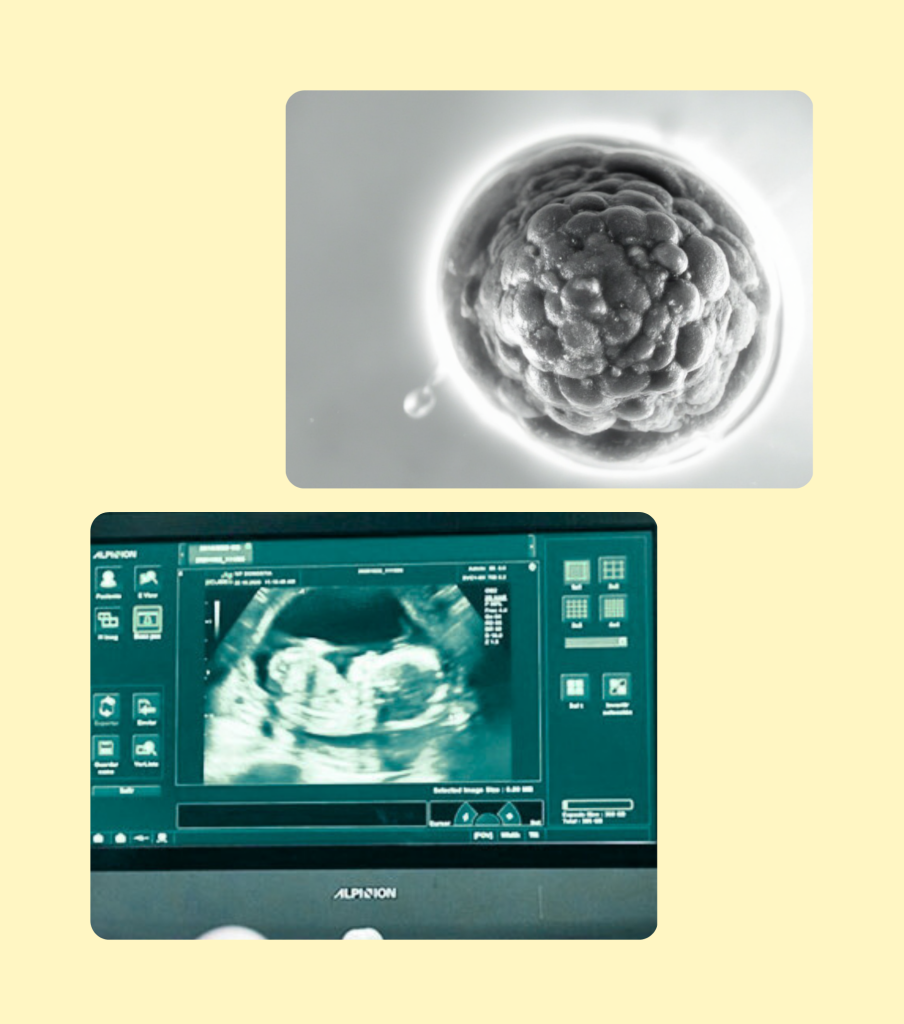
What is IVF?
IVF (In-Vitro Fertilization) is a widely used assisted reproductive technology where eggs are retrieved from the ovaries, fertilized with sperm in a laboratory, and the resulting embryo is transferred back into the uterus. It’s one of the most effective fertility treatments, used globally to help individuals and couples conceive — even when other options haven’t worked.
At EPIA, we combine cutting-edge science with compassionate care to maximize your chances of success.
Who is IVF for?
IVF may be ideal for:
- Women with blocked or damaged fallopian tubes
- Male factor infertility (low sperm count or motility)
- Unexplained infertility
- Couples with previous failed IUI or natural conception attempts
- Women with PCOS or endometriosis
- LGBTQ+ couples or single parents by choice
- Women who wish to use donor sperm or eggs
The EPIA Difference
Why Choose EPIA for IVF?
- AI-Optimized Embryo Selection: Cutting-edge AI tools help identify the highest-potential embryos for transfer
- Precision Lab Protocols: International-grade embryology labs, sterile zones, and 24/7 monitoring
- Holistic IVF Prep: Integrated acupuncture, IV drips, and supplements to improve egg and endometrial quality
- Real-Time IVF Dashboard: Transparent progress tracking for every stage of your cycle
- Counseling + Emotional Support: Specialized fertility psychologists and coaches available throughout your journey
- Success-Based Custom Protocols: Tailored stimulation protocols based on your AMH, AFC, and genetic markers
Transformation
What is the IVF Process?
- Step 1: Consultation & Diagnostics Initial workup includes ultrasound, hormone tests, and semen analysis
- Step 2: Ovarian Stimulation Hormone injections for ~10 days to stimulate multiple eggs
- Step 3: Egg Retrieval Performed under mild anesthesia at our clinic
- Step 4: Fertilization Sperm and eggs combined in the lab using IVF or ICSI (if needed)
- Step 5: Embryo Development Embryos are cultured to Day 3 or Day 5 (blastocyst stage)
- Step 6: Embryo Transfer A healthy embryo is gently placed into the uterus
- Step 7: Beta hCG Test A pregnancy blood test 10–14 days after transfer
- Optional: Embryo Freezing Extra embryos can be frozen for future use
Egg Freezing
FAQs
Can't find what you're looking for?
How successful is IVF?
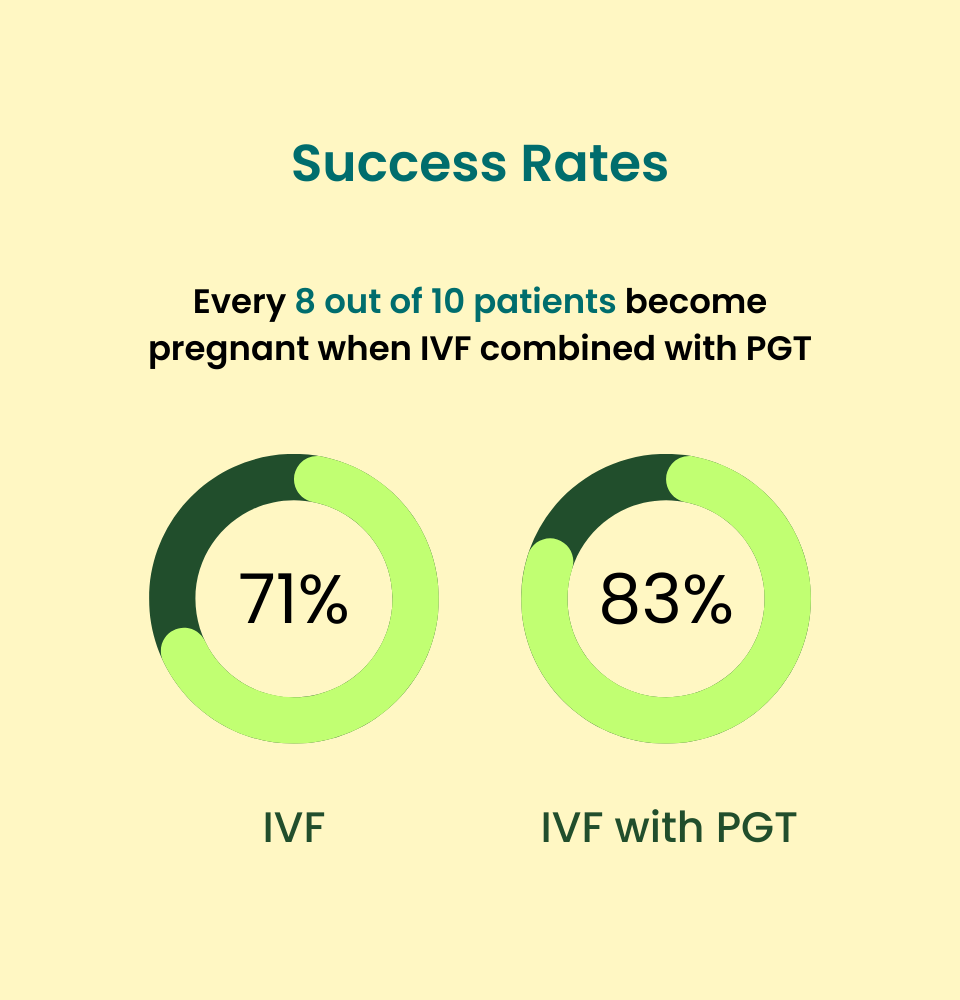
Success rates vary by age and individual factors. At EPIA, we optimize every variable to increase outcomes. For women under 35, success rates can be over 60%.
Is IVF painful?
The process is mostly painless. Egg retrieval involves mild sedation. Most patients return to normal activity within 24 hours.
How many embryos will be transferred?
Typically one, to reduce the risk of multiples, unless advised otherwise for medical reasons.
Are there side effects?
You may experience bloating, cramping, or mild mood changes from the hormonal medication. OHSS is rare and managed proactively.
Can I freeze embryos for future use?
Yes. Freezing embryos is common and allows future transfers without repeating the full IVF cycle.