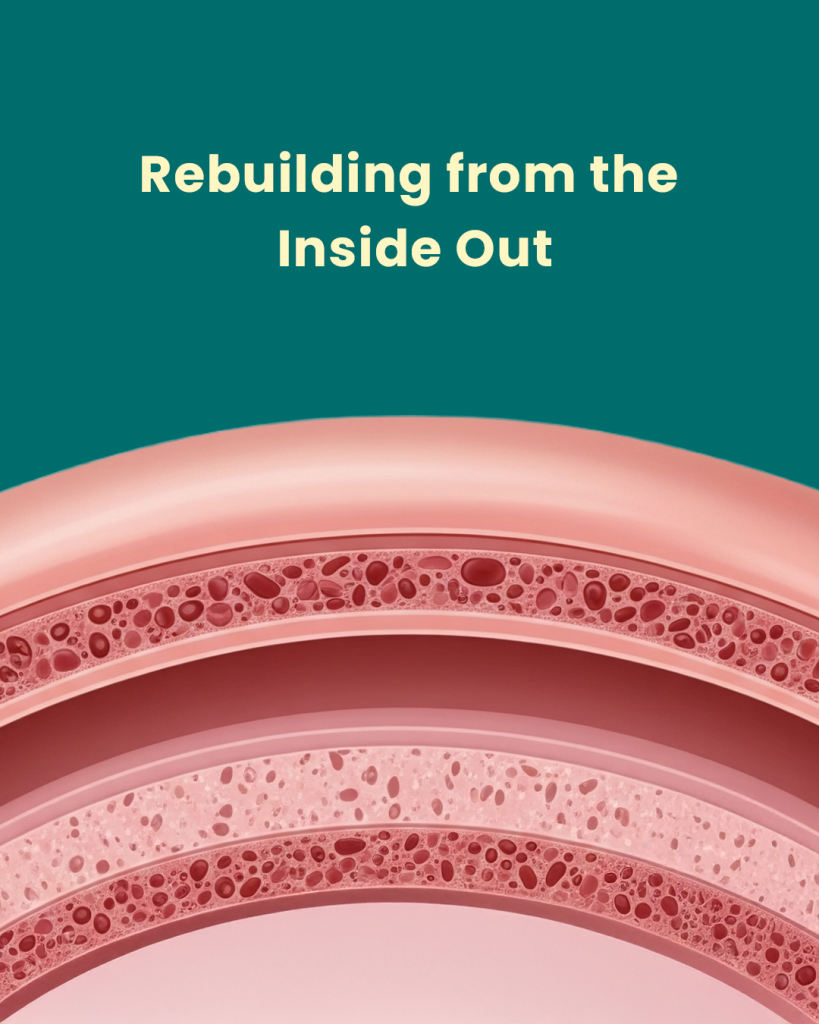
What is Uterine Rejuvenation?
Uterine rejuvenation refers to a range of regenerative treatments designed to improve the quality, thickness, and receptivity of the uterine lining (endometrium), which is crucial for embryo implantation and pregnancy. Techniques include Endometrial PRP, Stem Cell Therapy, and Growth Factor Injections, delivered directly to the endometrium.
This is especially helpful for women with thin endometrium, recurrent implantation failure, or uterine damage due to past surgeries or infections.
Who is Uterine Rejuvenation for?
Uterine rejuvenation is recommended for:
- Women with thin endometrial lining (<7mm)
- Recurrent IVF implantation failures
- Asherman’s syndrome or uterine scarring
- History of D&C, TB, or uterine trauma
- Poor endometrial blood flow or poor Doppler results
- Women over 35 preparing for embryo transfer
The EPIA Difference
Why Choose EPIA for Uterine Rejuvenation?
- Triple-Modality Options: PRP, stem cells, and exosome-based therapies are available
- Guided Intrauterine Delivery: Safe, ultrasound-guided infusions for maximum precision
- Trackable Improvement: We monitor endometrial thickness and vascularity in real time
- Cycle-Synchronized Timing: Treatments are aligned with your natural or IVF cycle
- Collaborative Care: Our fertility and regenerative medicine teams co-manage your treatment
Egg Freezing Process
What is the Uterine Rejuvenation Process?
- Step 1: Evaluation Transvaginal scan, cycle mapping, blood flow studies (Doppler), and hysteroscopy if needed
- Step 2: PRP/Stem Cell Preparation Your blood or stem cell source is processed in a sterile lab environment
- Step 3: Intrauterine Infusion Infusion into the uterus via a thin catheter, timed with your menstrual cycle
- Step 4: Recovery & Monitoring No downtime; lining is re-measured after 5–7 days
- Step 5: Cycle Planning If improvement is seen, embryo transfer or natural conception is scheduled
Uterine Rejuvenation
FAQs
Can't find what you're looking for?
Is it painful?
The procedure is quick, similar to an IUI, and involves no anesthesia or downtime.
How soon will I see results?
Many patients show improved endometrial thickness and blood flow within 7–10 days.
Can I do it before embryo transfer?
Yes. Ideally, uterine rejuvenation is done in the cycle prior or during the frozen embryo transfer cycle.
Is it safe to repeat?
Yes. In some cases, more than one session is recommended for optimal outcomes.
Can this help me avoid a surrogate?
In many cases, yes — by improving your own uterus’ capacity to carry a pregnancy.